
Mahler: Symphony No. 8
Symphony No. 8 is the highlight of the set. The superb engineering has clarity, depth, and richness of sound even in the most massive climaxes. In many recordings the extra brass that enters in the last moments of both movements sounds anemic — not here. Bychkov’s pacing is excellent and the singing (fabulous choral work and eight exceptional soloists) conveys the emotional and spiritual import of the text… Bychkov is just as thrilling and more spiritually questing, so that the final Chorus Mysticus is a true moment of spiritual transcendence.
The Classical Review, 26 April 2026
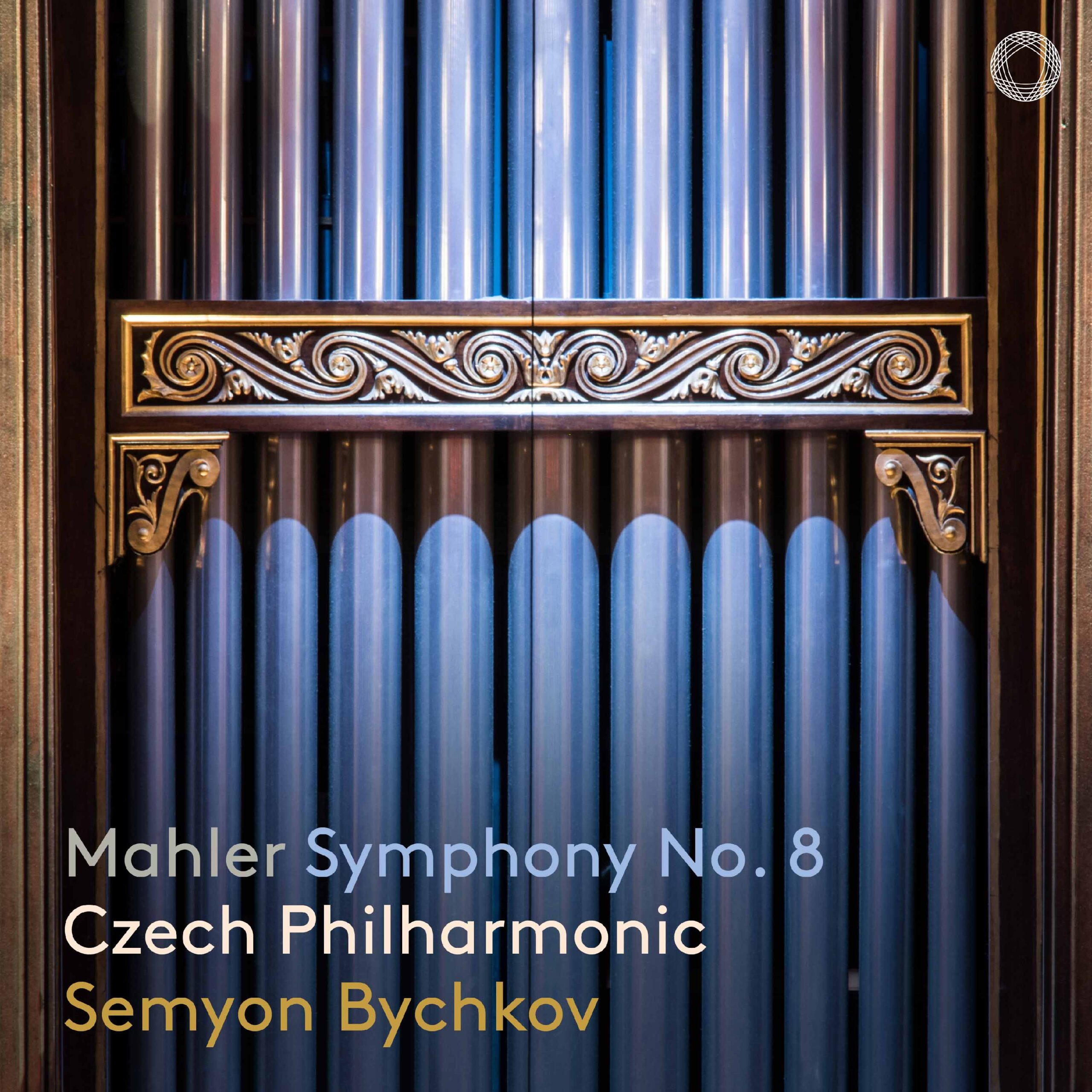
Czech Philharmonic Orchestra
Semyon Bychkov, conductor
TRACK LISTING
Part One
I. Veni, creator spiritus
II. Infirma nostri corporis
III. Accende lumen sensibus
IV. Veni, creator spiritus (2)
V. Gloria Patri Domino
Part Two
I. Poco adagio
II. Waldung, sie schwankt heran
III. Ewiger Wonnebrand
IV. Wie Felsenabgrund mir zu Füßen
V. Gerettet ist das edle Glied der Geisterwelt vom Bösen
VI. Uns bleibt ein Erdenrest
VII. Höchste Herrscherin der Welt!
VIII. Dir der Unberührbaren
IX. Bei der Liebe, die den Füßen
X. Neige, neige, du Ohnegleiche
XI. Blicket auf zum Retterblick
XII. Alles Vergängliche ist nur ein Gleichnis